A Thoughtful Approach to New Tech
I’ve recently had the opportunity to work with two agencies that fully embraced AI. And like many, I’ve heard the conversations — AI is going to steal jobs, its data sources are questionable, and it’s moving too fast. Now, I wouldn’t consider myself an AI expert, but I do have thoughts on when and how these tools can be used ethically and meaningfully. Not just in business, but also in homes and volunteer organizations.
Adapting to New Technology Isn’t New
Fifteen years ago, I helped introduce the idea of CAD design and project planning when I worked at Full Scale Effects. Prior to then all manufacturing designs were done by hand. At first, there was hesitation. Change is always uncomfortable at first. But over time, the benefits of digital tools became clear — they optimized our planning and design process, made projects more predictable, and opened the door to new opportunities.

Hand Drawn Tennis Ball Gun Design / Pre-CAD

It wasn’t an overnight shift. It took five years for business wide implementation of these digital tools to become second nature. I even managed to convince one of our electronics engineers to swap out his handmade, shop-lit etched logic boards for off-the-shelf modular control systems.
Now, none of this has to do with AI specifically — but it shows a timeless truth: technology evolves, and so do we. Growth comes from being open to change.
Using AI to Support a Non-Profit
That brings me to the present. I’ve been helping a local non-profit organization update and modernize their website. Tech improvements in this area were welcomed with open arms — moving from a manually coded website to a user-friendly web builder was our first big step. It made the site scalable, secure, and maintainable in case I’m not around to support it one day.
But beyond the website, there were other creative needs. And here’s where I’ll admit — I’m not a designer, copywriter, or branding expert. This is where AI tools became incredibly valuable for us as a volunteer-run organization. I used ChatGPT and Microsoft Copilot to help update website content, refine grammar, and improve overall messaging. I even used AI to check grammar and polish this very article.

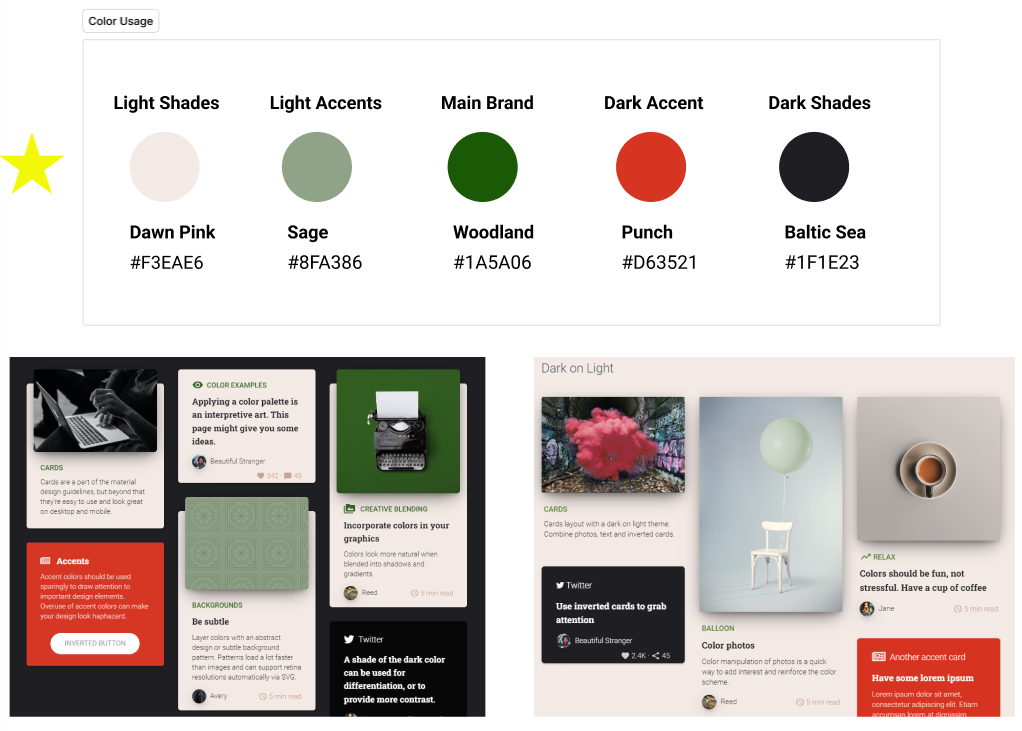
Deep Learning Color Pallet – colormind.io
One of the standout moments was using AI to help ideate a logo for our annual mug design. I started by brainstorming ideas with Copilot, then shared them with our chair members for feedback. Once we settled on a direction, I built the final design in Figma, creating a vector file that we used for mugs, print materials, and event banners. It went over so well that the Maid Marian Court chairperson asked if I could make a logo for their group too. Not bad for someone who’s not a professional creative.

When and How to Use AI Responsibly
I have deep respect for creatives — just like I admire the old-school drafters who worked with pencil and T-squares. But the truth is, our world is changing, and tools like AI are becoming part of our everyday toolkit.
That said, not every job or task should be handed over to AI. Through this experience, I’ve come to appreciate the importance of setting boundaries on when and how to use these tools. Here’s a simple framework I follow:
- Does this task require empathy, personal judgment, or cultural context? If yes, it stays human-led.
- Is this a repetitive, early-stage draft, ideation, or data organizing task? If yes, AI can assist.
- Are we transparent about where and how AI is being used? Clear communication builds trust.
AI isn’t about replacing people — it’s about supporting them, especially in resource-limited environments like non-profits.
Change is Inevitable, Balance is Key
Change isn’t new. From hand-drawn schematics to digital CAD, from hard coded websites to web builders, and now from cost-prohibiting design to AI-assisted drafts — we’ve always evolved.
The conversation isn’t about whether AI should exist, but about how we choose to use it. And if we stay thoughtful about that, AI can become an invaluable tool for businesses, homes, and organizations alike.
And yes — for the record — I wrote this article myself, came up with the concept on my own. I just asked for a little help from my AI copywriter.